Follow Me On Social Media!
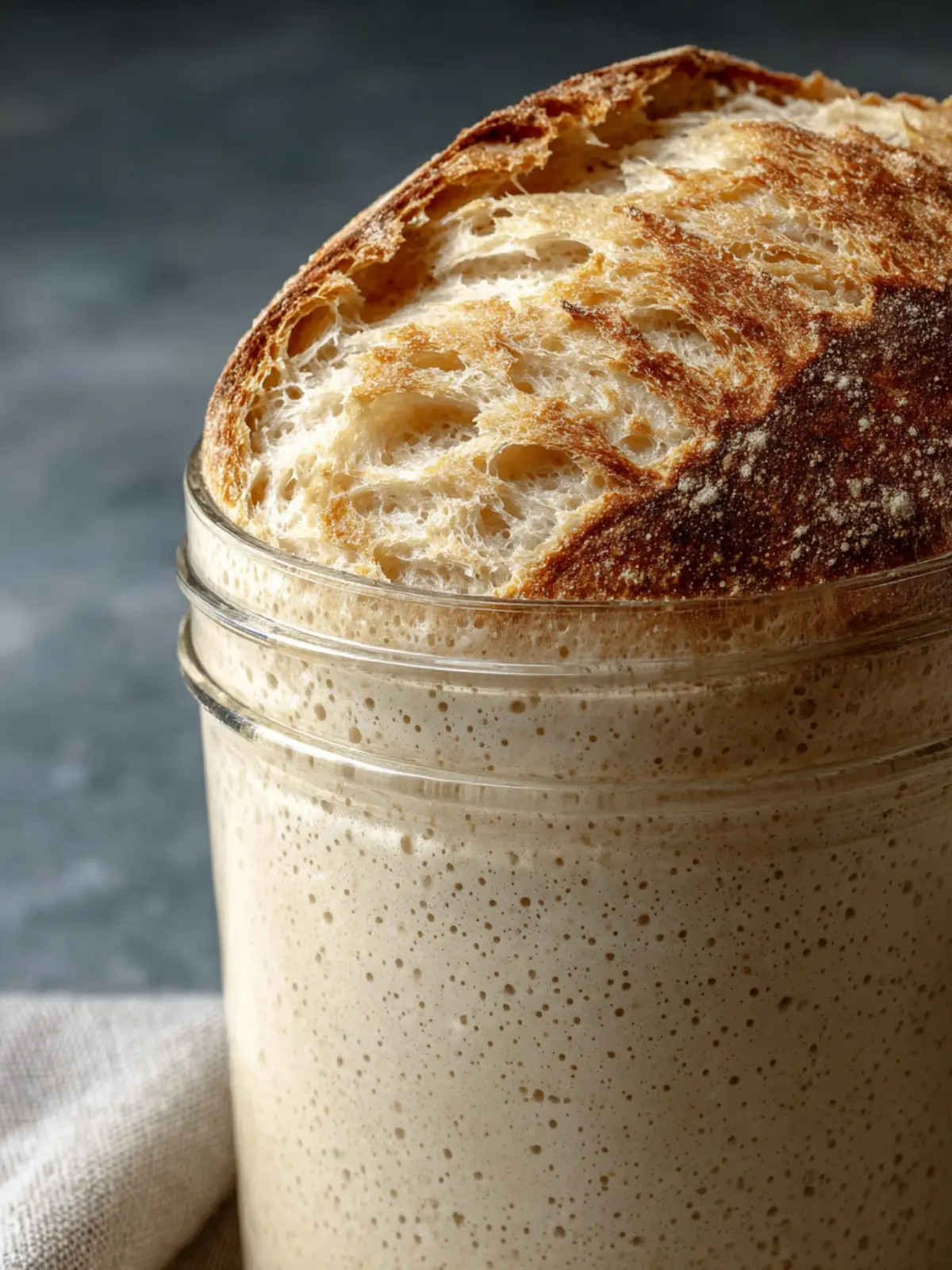
Foolproof Gluten-Free Sourdough Starter That’s Always Perfect!

Introduction to Foolproof Gluten-Free Sourdough Starter Recipe
Creating your own foolproof gluten-free sourdough starter can be a game-changer for your homemade baking adventures. Imagine waking up to the warm tang of fresh sourdough bread, made with love and without gluten. It not only satisfies your taste buds but also caters to dietary needs without compromising on flavor. In a world where gluten-free options often fall short, this starter invites you into the fascinating universe of sourdough, where patience and care yield delectable results.
The journey of crafting a foolproof gluten-free sourdough starter is not just about following a recipe; it’s about embracing the process, nurturing your starter as it comes to life. As someone who has experimented with various baking methods, I can assure you that the excitement of watching flour, water, and natural yeast transform into a bubbly, fragrant starter is a culinary experience like no other. For beginners and seasoned bakers alike, this journey can feel both rewarding and intimidating. But fear not! With this guide, you’ll find straightforward instructions, tips, and a little encouragement to make the leap.
Embracing the philosophy that cooking should be accessible and joyful, you’re about to unlock the secrets to a gluten-free starter that promises a crusty, chewy loaf with all the flavor notes you adore. Whether you’re planning a Sunday brunch or weeknight meal, your gluten-free sourdough starter will be your new best friend in the kitchen.
What Makes Gluten-Free Sourdough Special?
Gluten-free sourdough is different from its traditional counterpart in more ways than one. The absence of gluten means we need to be creative with our ingredients. Here’s how gluten-free sourdough stands out:
-
Unique Flours: Instead of wheat flour, we often use blends that include brown rice, tapioca, and sorghum flours. Each flour contributes distinct flavors and textures, creating a bread that’s both delightful and nourishing.
-
Fermentation Power: The fermentation process that defines sourdough enhances flavor and improves digestibility. For those with gluten sensitivities, this means a more palatable option that satisfies without discomfort.
-
High Nutritional Value: Gluten-free sourdough often contains higher fiber content and is loaded with essential nutrients. It can be a part of a balanced diet, yielding nutritious results without compromising your health.
As you delve into the world of foolproof gluten-free sourdough starter, remember that this is just the beginning of your baking journey!
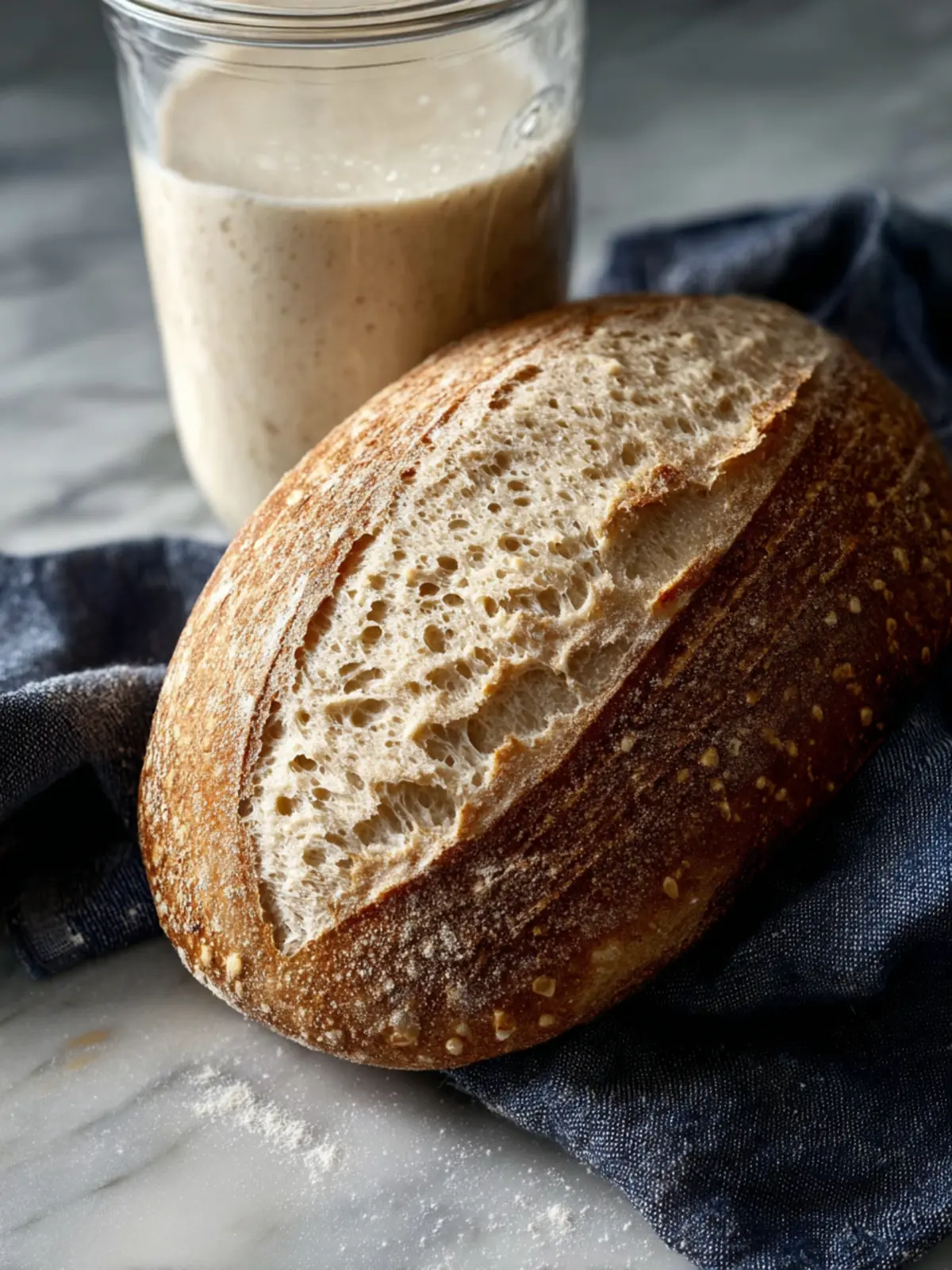
Key Ingredients for Foolproof Gluten-Free Sourdough Starter
Creating a foolproof gluten-free sourdough starter is a journey of culture and flavor, and every ingredient plays a crucial role in crafting that perfect tang. Here’s a closer look at the key components that will guide you towards sourdough success.
-
Gluten-Free Flour: Using a blend of gluten-free flours like brown rice, sorghum, or buckwheat is essential for a robust starter. I recommend mixing whole grain and finer flours for the best flavor and texture.
-
Water: Go for filtered water to ensure you’re not introducing any chlorine or impurities that could inhibit fermentation. Room temperature is ideal to help the yeast thrive!
-
Mature Culture (Optional): If you have access to a mature gluten-free starter, adding a spoonful can jumpstart the fermentation process.
-
Sugar: A small amount of sugar aids in the initial fermentation, providing a food source for the wild yeast and bacteria. Date sugar or maple syrup can give a unique flavor twist!
This combination will give you a foolproof gluten-free sourdough starter that’s lively and flavorful, setting the stage for delicious baked goods!
Why You’ll Love This Recipe
The satisfaction of homemade gluten-free bread
Creating a foolproof gluten-free sourdough starter at home fills your kitchen with a delightful sense of accomplishment. Imagine the aroma of freshly baked bread wafting through your space, each loaf a testament to your effort and care. There’s something incredibly satisfying about cultivating your own starter from simple ingredients, nurturing it day by day until it’s ready to transform into fluffy, tangy loaves. The best part? You get to enjoy that unique flavor and texture that only homemade sourdough can provide.
Easy step-by-step process
The beauty of this recipe lies in its straightforward, easy-to-follow process. Whether you’re a seasoned baker or trying out gluten-free bread for the first time, our detailed instructions guide you every step of the way. You’ll feel empowered as you mix, feed, and watch your starter come to life, all while learning the ins and outs of sourdough fermentation. It’s a journey that ultimately leads to delicious, crusty bread right from your oven.
Versatility in using the starter
Once you’ve perfected your foolproof gluten-free sourdough starter, the possibilities are endless. Use it as a base for various baked goods—think pancakes, pizza crust, or muffins. Every recipe you try will have that signature sourdough flavor, enhancing your meals with a depth you can only achieve through fermentation. Plus, the starter can be easily maintained, ensuring you’re never far from your next baking adventure.
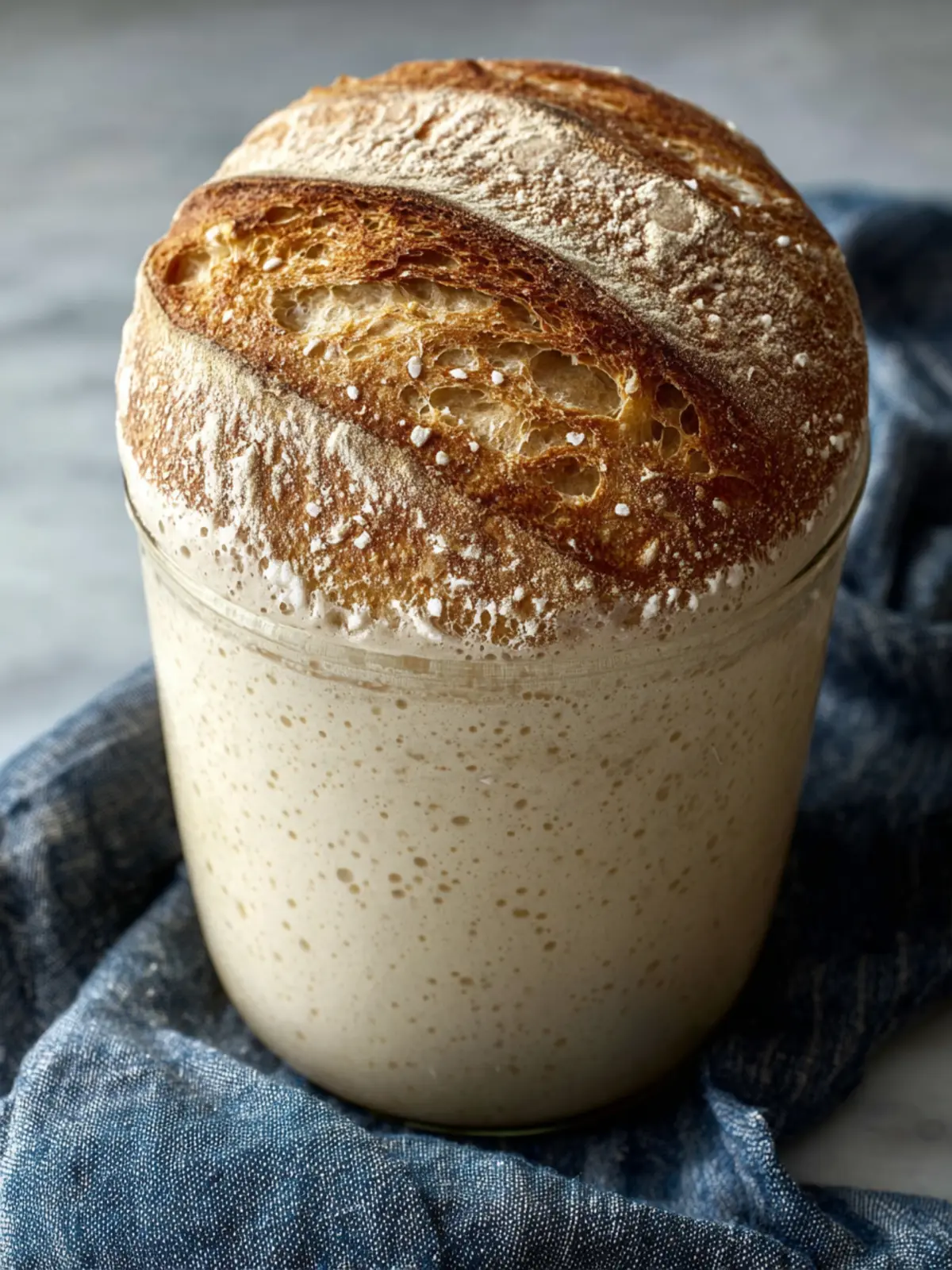
Variations of the Gluten-Free Sourdough Starter
Exploring the world of a foolproof gluten-free sourdough starter opens up exciting possibilities for flavor, texture, and creativity in your baking. As you master this delightful art, consider trying different variations that elevate your baking game.
Different single grain flours to try
One of the joys of crafting a gluten-free sourdough starter is experimenting with various single grain flours. Each brings unique flavors and textures! Here are some options:
- Brown Rice Flour: It’s affordable and mild, making it a great base for your starter.
- Sorghum Flour: This flour adds a slightly sweet and nutty flavor, enhancing your sourdough’s complexity.
- Oat Flour: If you’re looking for a soft crumb, oat flour offers a gentle sweetness and smooth texture.
- Teff Flour: Packed with nutrients, teff provides a deep, earthy flavor that can really elevate your bread.
How to tweak the recipe for a different flavor profile
To truly personalize your foolproof gluten-free sourdough starter, consider adding specific ingredients to create different flavor profiles. For example:
- Fruits: Incorporating dried fruits like raisins or figs in your starter can impart subtle sweetness and moisture.
- Herbs: Chopped fresh herbs, such as rosemary or thyme, give a unique twist to your baked goods. Try adding these during the feedings.
- Seeds: Mixing in chia or flax seeds can offer not only a flavor boost but also added nutrition and texture.
By exploring these options, you’ll turn your gluten-free sourdough starter into a personalized treasure trove, ready to surprise yourself and others with your culinary creativity!
Tips for Making the Perfect Gluten-Free Sourdough Starter
Creating the foolproof gluten-free sourdough starter can be both a rewarding and challenging experience. To help you on this journey, here are some valuable insights that will guide you to success.
Common Mistakes to Avoid
Starting with your gluten-free sourdough will surely evoke feelings of excitement, but avoid these pitfalls:
-
Using the Wrong Flour: Always select a high-quality gluten-free flour blend. Stick to blends that contain a mix of starches and whole grains for best results.
-
Skipping the Feeding: Regular feedings—ideally every 12-24 hours—are key for nurturing the yeast. Neglecting this will hinder growth.
-
Inconsistent Measurements: Baking is a science! Use a kitchen scale for accuracy.
How to Deal with Temperature Variations
Temperature plays a crucial role in developing your foolproof gluten-free sourdough starter. Here are some tips:
-
Find a Stable Spot: Aim for a warm area (around 75-85°F). Avoid drafty spots or areas close to heat sources.
-
Create a Mini Greenhouse: Place your starter in a closed container or cover it with a damp cloth to maintain moisture and warmth, especially in cooler climates.
-
Adjust Feedings: If the temperature dips, increase the frequency of feedings to keep your starter active.
With these considerations, you’ll be well on your way to achieving that perfect gluten-free sourdough starter that will elevate your baking game!
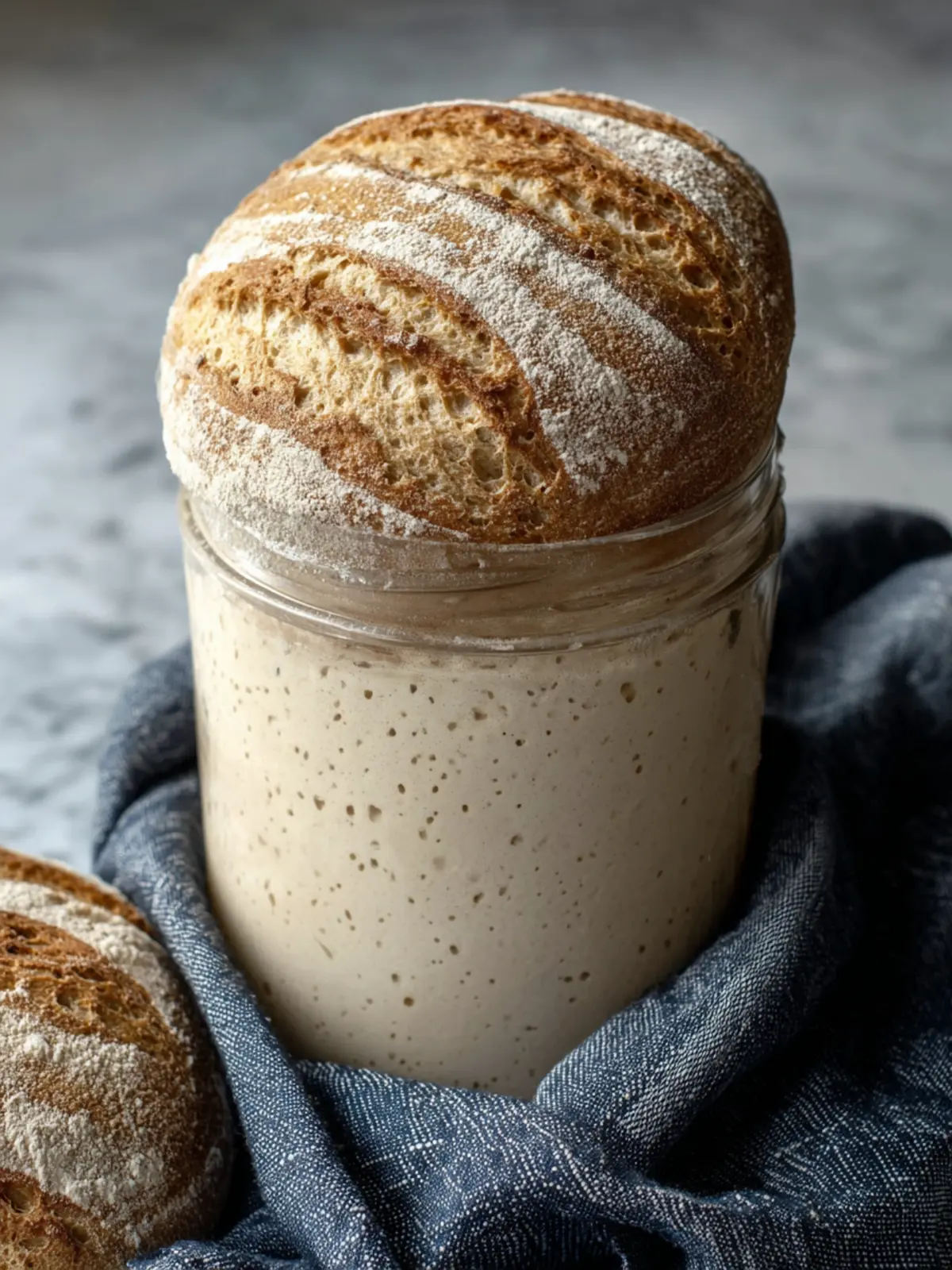
Time Breakdown for Sourdough Starter Creation
Creating your own foolproof gluten-free sourdough starter can be an exciting journey that takes a little patience but rewards you with the most delightful bread. Understanding the timeline is key!
Day-by-day feeding schedule
- Day 1: Combine your gluten-free flour and water, and let it sit at room temperature.
- Day 2: Feed the starter with equal parts flour and water – about 1/2 cup each.
- Day 3: You should see some bubbles! Continue the feeding routine.
- Day 4: More bubbles indicate growth; keep the feedings consistent.
- Day 5: The starter should double in size, signaling it’s almost ready.
Total time until you can bake
From start to finish, expect about 5 to 7 days to cultivate a vibrant foolproof gluten-free sourdough starter that’s ready for baking. Once it’s bubbling and doubling, you’ll be ready to whip up your delicious gluten-free sourdough bread!
Nutritional Facts for Gluten-Free Sourdough Starter
When crafting your own foolproof gluten-free sourdough starter, understanding its nutritional profile can enhance your baking experience.
Key nutrients in gluten-free grains
Gluten-free grains, such as brown rice and sorghum, are often rich in essential nutrients. They provide:
- Fiber: Aids digestion and helps with satiety, making gluten-free bread a healthier option.
- Vitamins: B vitamins, including niacin and thiamine, promote energy metabolism.
- Minerals: Iron and magnesium support various bodily functions, including oxygen transport and muscle health.
The benefits of sourdough fermentation
Sourdough fermentation not only introduces lovely tangy flavors but also offers remarkable health benefits:
- Improved digestibility: The fermentation process breaks down gluten proteins, making it easier for some individuals to digest.
- Enhanced nutrient absorption: Lactic acid bacteria help increase the bioavailability of nutrients, making your gluten-free bread even more nourishing.
By creating a foolproof gluten-free sourdough starter, you’re taking a flavorful step toward healthier baking!
FAQs about Gluten-Free Sourdough Starter
Creating a foolproof gluten-free sourdough starter might spark some questions along your sourdough journey. Here are the answers to some frequently asked questions.
What is the best way to store my starter?
Storing your gluten-free sourdough starter properly will keep it healthy and active. Ideally, you should keep your starter in a glass jar with an airtight lid. Store it in the fridge if you’re not planning to use it every day. Just remember to feed it weekly to keep it lively! If you’re baking more frequently, consider keeping it at room temperature, where it will thrive but will need more regular feedings.
How do I know when my starter is ready?
A foolproof gluten-free sourdough starter will be ready when it has doubled in volume, is bubbly, and has a delightful, tangy aroma. A great trick is to do the “float test”—take a small spoonful of your starter and drop it into a glass of water. If it floats, you’re good to go! If it sinks, give it a few more hours or a feeding before trying again.
Can I use my gluten-free sourdough starter for other recipes?
Absolutely! Your foolproof gluten-free sourdough starter is versatile and can be used in various recipes like pancakes, waffles, or muffins. Just remember that gluten-free ingredients can vary in absorption, so you might need to experiment a little for the best texture. Don’t hesitate to get creative and incorporate your starter into your baking adventures!
Conclusion on Foolproof Gluten-Free Sourdough Starter
Creating a foolproof gluten-free sourdough starter at home is not just a culinary achievement; it opens up a world of possibilities for gluten-free baking. Whether you’re adapting your diet or exploring new recipes, this starter gives you the flexibility to enjoy the wholesome goodness of sourdough bread without compromising on taste or texture. As you nurture your starter, you’ll find joy in the bubbling transformations, and soon, you’ll be inspired to experiment with gluten-free recipes of your own. Remember, persistence is key. Enjoy this journey of baking, and savor the delicious results of your efforts!
Print
Gluten-Free Sourdough Starter
- Total Time: 10 days
- Yield: 1 starter 1x
- Diet: Gluten-Free
Description
This gluten-free sourdough starter is perfect for making amazing gluten-free bread.
Ingredients
Scale
- 50 grams gluten-free single grain flour (brown rice, buckwheat, teff, sweet rice flour, see recipe notes for recommendations)
- 60 grams water
- 30 grams gluten-free flour (for days 2, 3, and 4)
- 30–40 grams water (for days 2, 3, and 4)
- 30 grams gluten-free flour (for day 5)
- 30–40 grams water (for day 5)
Instructions
- Day 1: In a large glass jar or medium glass or ceramic bowl add 50 grams gluten-free flour and 60 grams water. The mixture should be slightly thicker than pancake batter. Adjust either the flour or water amount to achieve that consistency. Cover loosely (coffee filter with a rubber band, paper plate, or breathable cloth works) and set it on the counter for 24 hours.
- Day 2, 3, and 4: Add 30 grams more flour and about 30-40 grams more water and stir to achieve the same consistency as day 1. Loosely cover again and sit at room temperature for 24 hours.
- Day 5: Discard about half the starter. Feed the remaining with 30 grams more flour and about 30-40 grams more water. Stir to combine, loosely cover, and sit at room temperature for 24 hours.
- Day 6-10: Alternate between feeding only one day and discarding half, then feeding the following day. This helps prevent a massive amount of starter. By day 10, you should have an active, bubbly starter with a yeasty aroma. If it activates before day 10, continue the process until you reach the full 10 days for a strong starter established.
- Now you’re ready to bake this amazing loaf of gluten-free sourdough bread or transfer the starter to a lidded glass jar and store in the fridge until ready to bake.
Notes
- This starter uses gluten-free single grain flour.
- Adjust flour and water amounts to maintain the desired consistency.
- Use breathable cloths to cover the jar and allow airflow.
- Prep Time: 10 days
- Category: Baking
- Method: Fermentation
- Cuisine: Gluten-Free
Nutrition
- Serving Size: 100 grams